Tel:400 179 0116,17521589219
Cell, culture reagent, life science research overall service provider!
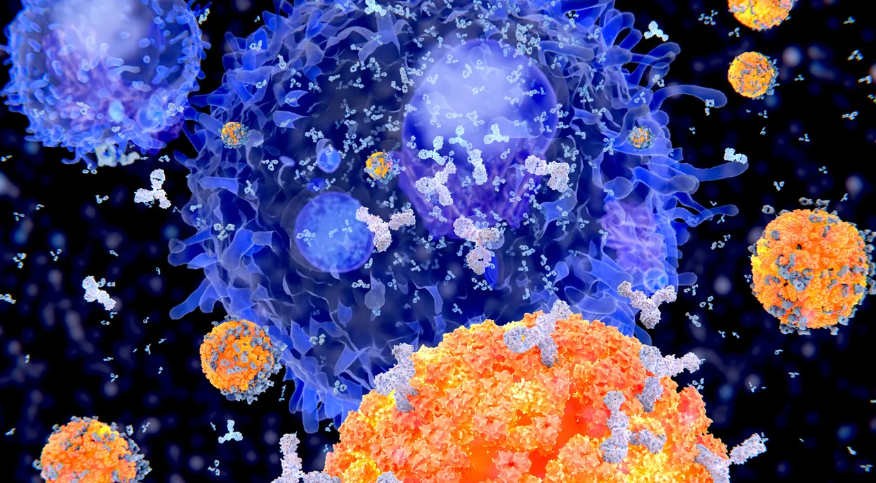
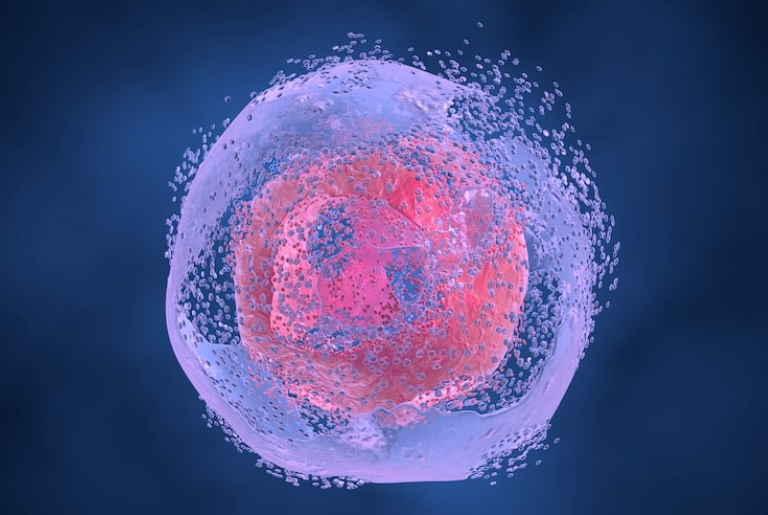
B cells play a central role in immune development. They initially enter the bloodstream from the bone marrow as naive B cells, which can migrate to lymphoid tissues such as the spleen, lymph nodes, and tonsils for further development. Some naive B cells migrate to lymphoid follicles, where germinal center B cells can differentiate into memory B cells and plasmablasts (PBs)/plasma cells (PCs). Although most PBs/PCs eventually enter the bloodstream, a small number ultimately reside in the bone marrow and undergo terminal differentiation into long-lived plasma cells.
More >>
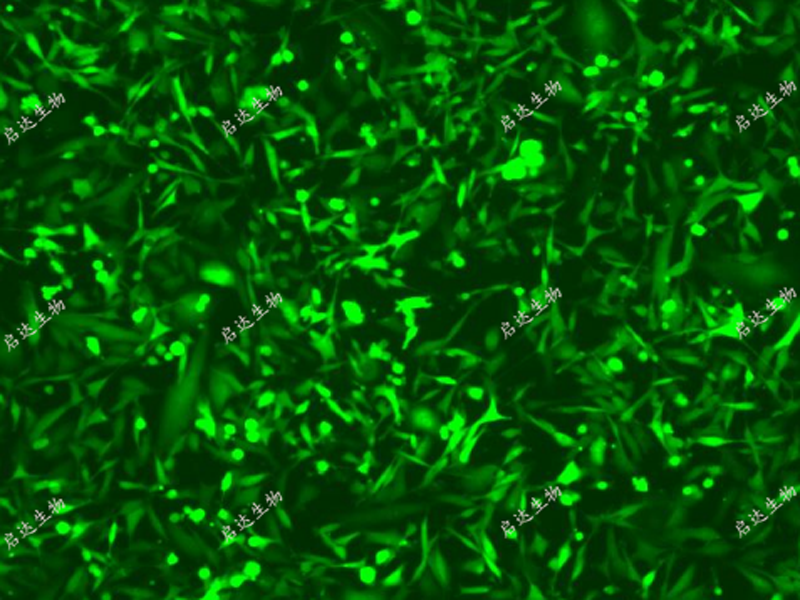
Once cells are cultured, you'll discover that even within a single vial, each cell divides at its own pace. Some have already completed their division and growth, while others remain in the early stages of splitting. However, most experiments require cells to maintain synchronized growth cycles to ensure experimental data is more precise. Thus, human intervention becomes necessary.
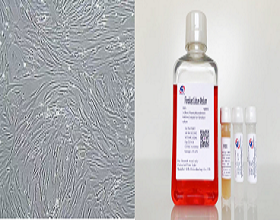
1. Fibroblasts constitute a highly heterogeneous cell population, with phenotypic classification primarily based on two major categories: cell extraction location and cellular function. 2. Research directions in fibroblast studies can be summarized into six core domains.
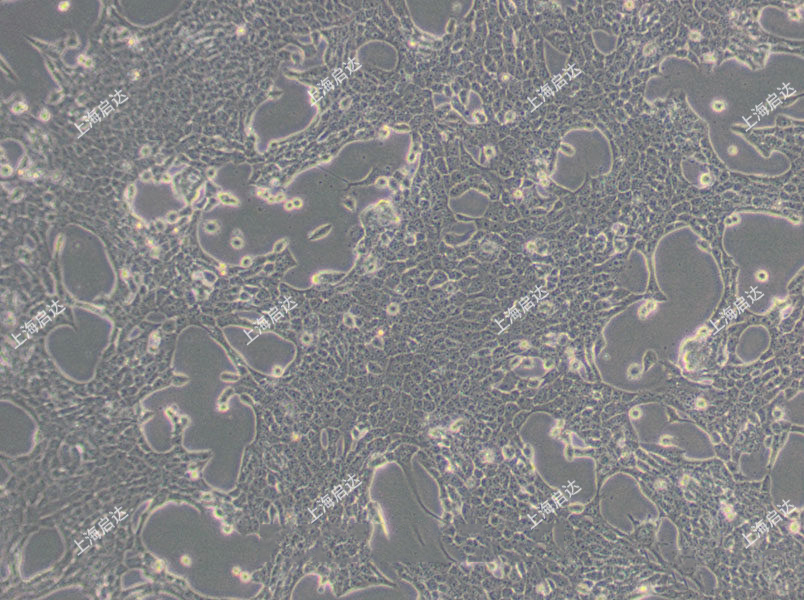
Endothelial cells have emerged as a focal point of research across multiple fields, and they can be categorized into the following five research phenotypes: 1. Universal markers; 2. Phenotypes associated with functional states; 3. Tissue-specific phenotypes, where endothelial cells in different organs possess unique markers and functions; 4. Additionally, endothelial cells can secrete a variety of cytokines, chemokines, and extracellular matrix components, giving rise to a distinct 'secretory phenotype'; 5. Circulating endothelial cell (CEC) phenotype.